
4 min read
OpponentBook for iPhone and iPad: now on the App Store
OpponentBook for iPhone and iPad is on the App Store. Sign in with Apple, sync through iCloud, Google Drive or Dropbox, and read and write notes offline.
Read →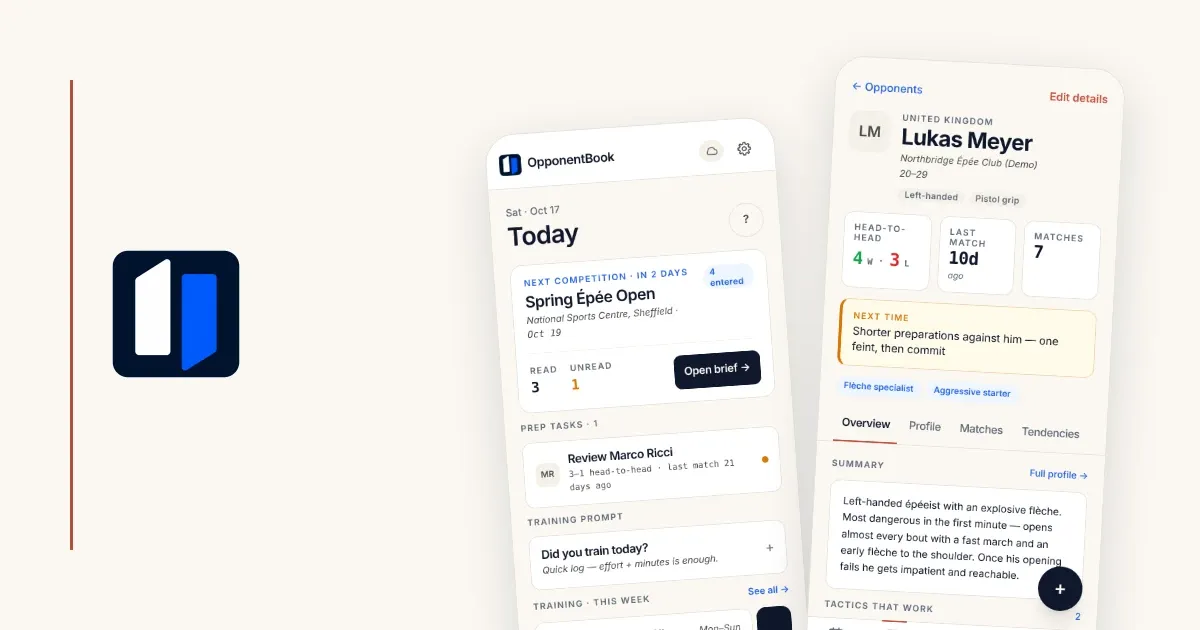
OpponentBook for iPhone and iPad is on the App Store. Sign in with Apple, sync through iCloud, Google Drive or Dropbox, and read and write notes offline.
Read →After a taekwondo bout, note the lead leg, cut kick, counters and who scored first, then pick ideas to test against four common patterns.
Read →
Boxing tactics for amateur bouts and sparring: note an opponent's stance, jab, ring movement and round-by-round habits, then pick two things to test.
Read →
Judo grip fighting notes: record an opponent's stance, first grip, attack side and ne-waza habits, then choose two things to test at the next contest.
Read →
Practical padel tactics and match notes: watch the lob, the reply and both partners' movements, then agree what to try against the same pair next time.
Read →
Tennis opponent analysis for club singles: record serve and return, rally patterns and your own errors, then test two ideas at the rematch.
Read →
Badminton opponent analysis grounded in research: five useful notes, a worked singles example, and a plan to test before your next meeting.
Read →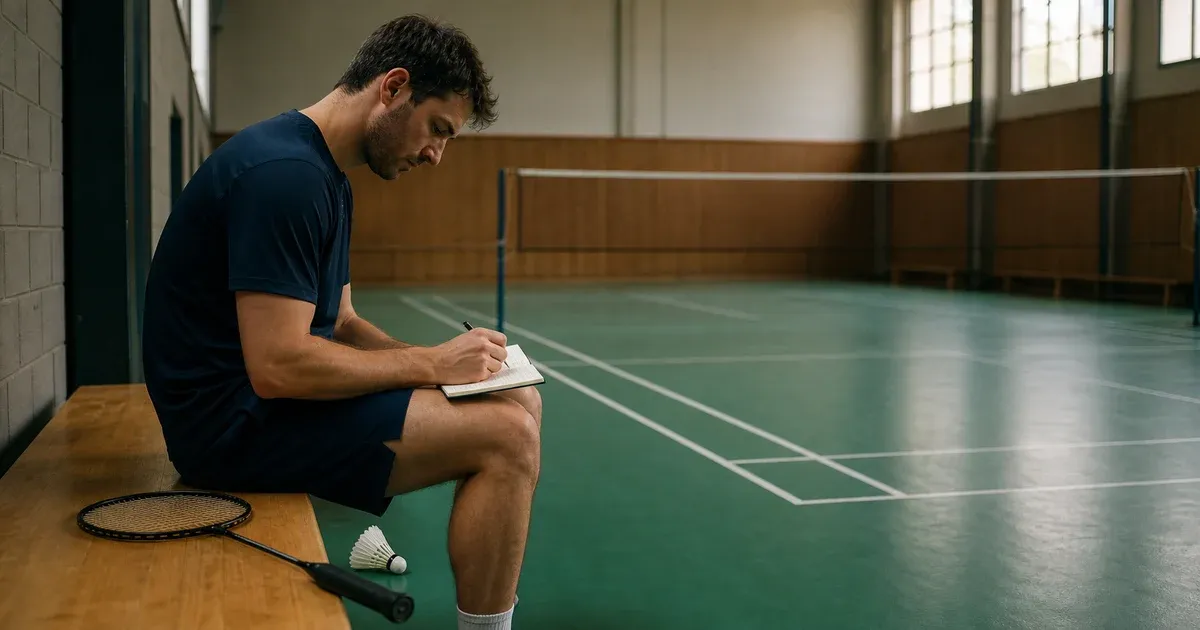
Install OpponentBook from Google Play to record matches and read saved notes offline. Connect your own storage when you want to sync across devices.
Read →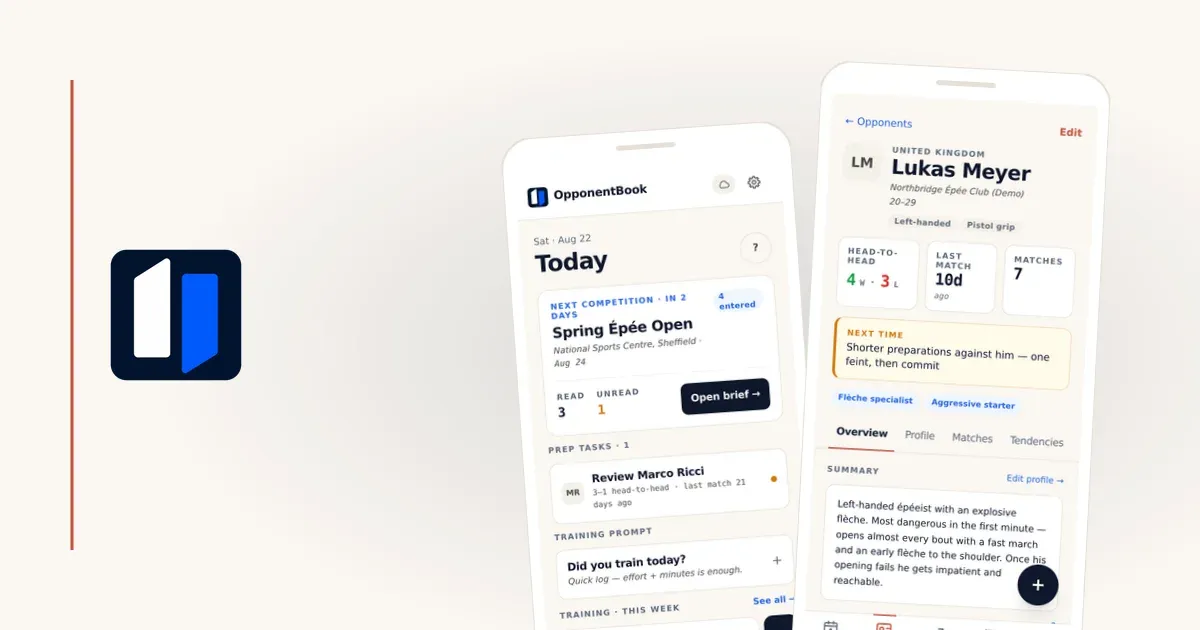
Record serves, receives, rubbers and placement in table tennis. Use specific observations and a next attempt instead of a fixed verdict about a player.
Read →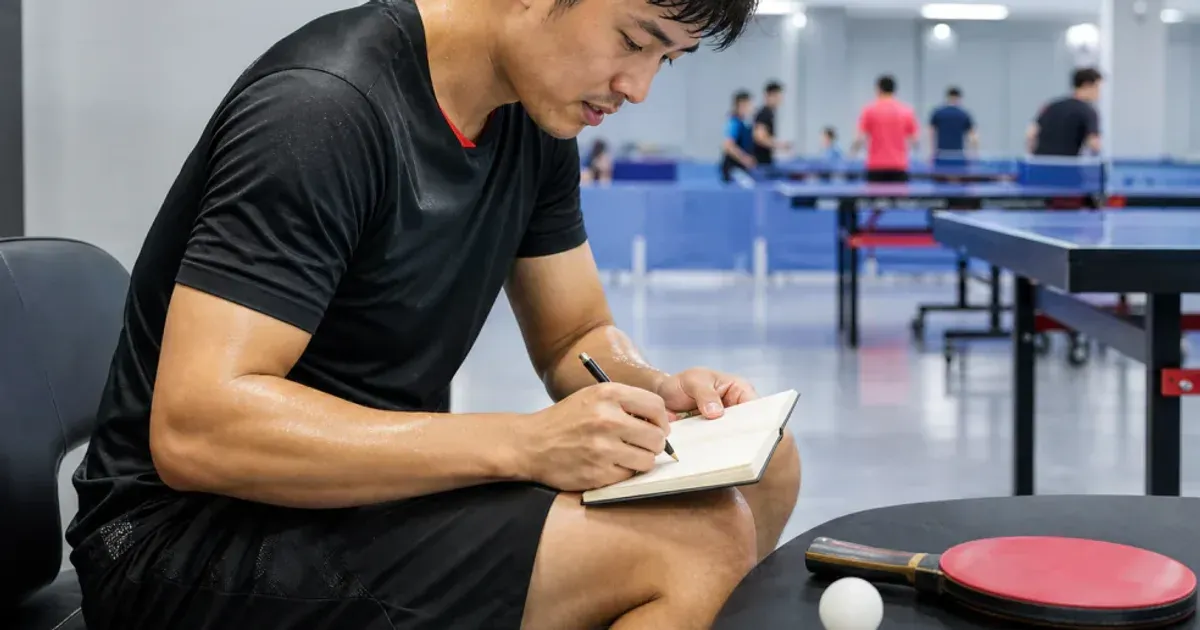
Keep useful notes on BJJ positions, training partners and recurring problems. Build a specific question for your next session without overclaiming results.
Read →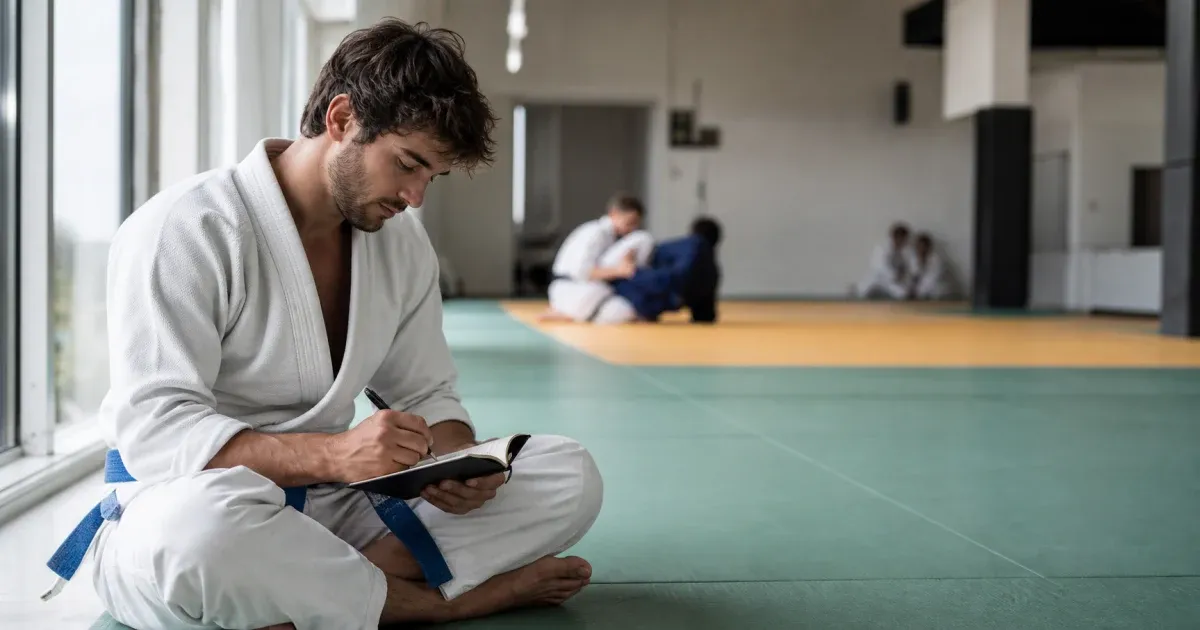
Memory studies suggest useful questions for match notes, but no fixed forgetting deadline. Record context, allow uncertainty and try active recall.
Read →
Research links reflection with sporting attainment, but does not prove a journal causes wins. Separate the evidence from a practical writing routine.
Read →
An opponent journal gives you a way to recall matches, reflect on mistakes, clarify your thinking and revisit lessons before your next encounter.
Read →
After a fencing bout, note what worked, what didn't and what to do next time, plus the opponent's hand and distance. A page to read before the rematch.
Read →
Your coach should be able to read your training journal. Who else can? Six questions to ask of any notebook or app, and how OpponentBook answers them.
Read →
OpponentBook is free forever, on your own storage.
Sign up free